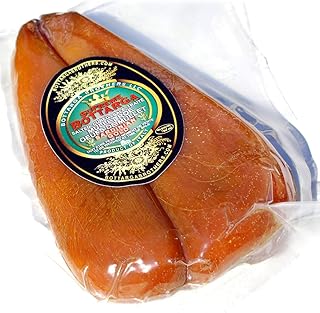
In the pantheon of gourmet ingredients, few possess the mystique, history, and intense flavor of Bottarga. Often referred to as "Sardinian Gold," this cured fish roe is a cornerstone of Italian and Mediterranean cuisine, offering a powerful, briny, and uniquely savory punch that can transform simple dishes into culinary masterpieces. For the uninitiated, Bottarga might seem intimidating, but understanding its origins and uses opens up a world of flavor.
What Exactly is Bottarga?
At its core, Bottarga is the salted, cured, and dried roe sac of specific fish, most notably the grey mullet (muggine) or bluefin tuna. The process is an ancient art, perfected over centuries in coastal regions like Sardinia and Sicily. The fresh roe sacs are carefully massaged in sea salt, then pressed and air-dried for several weeks until they achieve a firm, waxy texture. The result is a dense, amber-hued block of concentrated umami, often compared to a maritime prosciutto or the sea's answer to Parmigiano-Reggiano.
The Two Kings: Mullet vs. Tuna Bottarga
While both are exceptional, they offer distinct profiles. Grey Mullet Roe (Bottarga di Muggine), like the exquisite Bottarga Di Muggine from L'Oro di Cabras, is considered the classic. It has a more delicate, nuanced salinity with hints of the sea and a slightly nutty finish. Products like the Sanniti Bottarga Cured Mullet Roe exemplify this traditional style, perfect for shaving over pasta.
Tuna Bottarga, such as the Sicilian Grated Bluefin Tuna Bottarga, is rarer and often more robust. It possesses a stronger, more pungent fish flavor and a darker color. Choosing between them is a matter of personal taste and the dish you're creating.
Whole vs. Grated: Choosing Your Format
Bottarga comes in two primary forms, each with its advantages. Whole Bottarga, like the beautiful Smeralda Italian Whole Bottarga, is a chef's delight. You can grate it fresh with a microplane or slice it paper-thin with a mandoline, ensuring maximum aroma and flavor release just before serving. It's the premium choice for authenticity.
Grated Bottarga, however, offers incredible convenience without sacrificing quality. Jars like Sardinian Grated Bottarga or Le Mareviglie Grated Bottarga are ready to sprinkle, making them ideal for busy home cooks who want to instantly add a gourmet touch to weeknight meals.
How to Use Bottarga in Your Kitchen
The beauty of Bottarga lies in its versatility. It's never cooked, as heat diminishes its complex flavor. Instead, it's used as a finishing touch. Here are classic ways to enjoy it:
1. The Quintessential Pasta: Grate Bottarga over a simple spaghetti aglio e olio (garlic and oil) or spaghetti with sea urchin. The heat of the pasta gently melts the roe, creating a luxurious, briny sauce. For a deeper dive into pairing, check out this guide on using Sanniti cured mullet roe.
2. Elevate Eggs & Vegetables: A light grating over scrambled eggs, a frittata, or even creamy avocado toast adds a profound depth of flavor. It's also magical on simply steamed or grilled asparagus and artichokes.
3. Seafood's Best Friend: Enhance the natural sweetness of scallops, seared tuna, or grilled octopus with a delicate snowfall of grated Bottarga.
4. Butter & Crostini: Mix finely grated Bottarga into softened butter to create an incredible compound butter for bread or steak. Or, spread ricotta on crostini and top with thin slices of Bottarga and a drizzle of olive oil.
Selecting and Storing Your Sardinian Gold
When choosing a whole Sardinian Bottarga, look for a firm, dry texture with a consistent color and a pleasant, oceanic aroma—no strong fishy smell. The renowned "Sardinian Gold" Authentic Sardinian Bottarga line, available in various sizes like the 5.0oz or 6.3oz units, is an excellent example of quality. For those seeking Kosher options, the Kosher Bottarga from the same line is a perfect choice.
Store whole Bottarga tightly wrapped in parchment paper and then in foil in the refrigerator, where it can last for months. Grated Bottarga should be kept in its sealed jar in the fridge and used within a few weeks of opening for optimal freshness.
From its sun-drenched origins in Sardinia to your plate, Bottarga is more than an ingredient; it's an experience. It connects us to ancient traditions and offers a direct, intense taste of the Mediterranean sea. Whether you opt for the ceremonial whole block or the convenient grated jar, incorporating this gourmet ingredient into your cooking is a surefire way to add a touch of luxury and an unforgettable umami flavor to everyday meals. To explore more about its rich history and uses, delve into the ultimate guide to Italy's salted fish roe delicacy.